Why Jesus Told Parables
Topics & people (7)
Summary
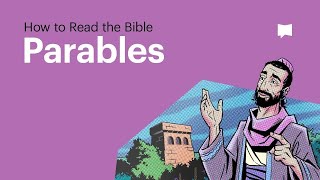
Jesus of Nazareth was a master storyteller, and many of his most famous teachings were short stories called parables. Rather than making everything clear, Jesus used parables to provoke the imagination and invite people to see God’s work in the world from a new perspective. His parables were about himself and his mission — announcing that the Kingdom of God was arriving on earth in an unexpected, upside-down way — and they were designed to both reveal his message to the open-minded and conceal it from his opponents so he could prepare his followers for the surprise of a King who would conquer through self-giving love.
Key Points
Parables Are About Jesus and His Kingdom
- Examples include the merchant who sold everything to buy the ultimate pearl and the tiny mustard seed that grows into a huge tree where birds perch.
- Jesus didn’t tell parables to make everything clear; he wanted to provoke the imagination and offer a new perspective on what God is doing.
- Unlike other teachers who used stories to teach morality, religion, or philosophy, Jesus said his parables were about himself and his mission to announce the Kingdom of God arriving “on earth as it is in heaven.”
Subverting Expectations of the Kingdom
- In Jesus’ day, Israel was ruled by Rome, and the Scriptures promised God would come to rule as king; many Israelites wanted to revolt and fight for freedom.
- Jesus, a poor traveling prophet healing the sick, claimed his small movement was the arrival of God’s Kingdom — which clashed with expectations.
- The parable of the yeast hidden in a lump of dough illustrates an influence you might not see that will change everything.
The Upside-Down Values of the Kingdom
- Jesus told parables about how the least important people in the world — especially the poor and those of low status — are most important to God.
- In the parable of the business owner who hired workers throughout the day and paid them all the same wage, Jesus shows that money and status are irrelevant to God, who offers generous mercy to everyone.
Parables of Warning
- Not all parables have happy endings; some are intense warnings.
- Jesus stood in the tradition of Israel’s prophets, who told parables to criticize leaders who mistook their kingdom for God’s.
- In the parable of the vineyard (adapted from Isaiah), a landowner’s managers kill the servants sent to collect fruit and then kill his own son. Jesus asks what the landowner should do — forcing people to decide whether they will reject, ignore, or trust and follow him. He knew Israel’s current path would lead to destruction by Rome.
Why Cloak the Message in Parables?
- Through riddles and parables, Jesus could make bold claims that revealed truth to the open-minded — those “who have ears to hear” could ponder and go deeper.
- The parables also concealed his message from his opponents so he could buy more time.
- That time was to prepare his closest followers for the greatest surprise: that Israel’s God would rule not through coercion or violence but through self-giving love, dying for their sins.
- Jesus said his death would be like a tiny seed buried in the ground that grows and produces a crop with many seeds.
A Storehouse of Treasures
- The parables explain who Jesus was and what he was up to.
- The Gospel authors preserved them so every generation of Jesus’ followers can read, ponder, and imagine how God’s Kingdom is still at work today.
- The parables remain full of new surprises and challenges — like a storehouse packed with treasures, some new and some old, waiting to be discovered.
Notable Quotes
“Jesus didn’t tell parables to make everything clear. Rather he wanted to provoke the imagination and invite people to see what God is doing in the world from a new perspective.”
“Jesus is showing how money and status are irrelevant to God, who offers his generous mercy to everybody.”
“Israel’s God was coming to rule over his people, not through coercion or violent force, but through self-giving love as he was going to die for their sins.”
“These ancient parables are still full of new surprises and challenges. They’re like a storehouse packed with treasures.”
This video invites you to let Jesus' parables provoke your imagination and reveal his upside-down Kingdom — and to sit prayerfully with whether you have the ears to hear what he is still saying to you.
Reflection Questions
- 1
Jesus taught with stories instead of just giving answers. Why do you think a good story sticks with us more than a rule?
- 2
Jesus says the people the world overlooks matter most to God. Who tends to get overlooked at your school or in your world?
- 3
What is one small, hidden act of kindness you could do this week, trusting it to grow like a seed?
Meditation Guide
Use this however suits you — quietly on your own, or as an outline for a session. When you come to reflect, turn to the reflection questions above.
- 1
Begin by bringing to mind a parable you love and what you have always taken it to mean.
- 2
Watch the video, attentive to its claim that Jesus' parables are not abstract morality but stories about himself and the arrival of God's upside-down Kingdom.
- 3
Open the Scripture the video highlights and read the mustard seed (Mark 4:30-32) and the hidden yeast (Luke 13:20-21), sitting with the theme of small, hidden beginnings.
- 4
Read the parable of the vineyard tenants (Mark 12:1-9) alongside Isaiah 5, and trace the decision it forces — to reject, ignore, or trust and follow.
- 5
Spend time with the reflection questions above, following wherever they lead you.
- 6
Close in prayer, asking Jesus for the ears to hear, and choose one small, hidden way to live his self-giving love today, trusting it to grow like a buried seed.
Up Next in Playlist
How to Read the Bible

How to Read the Bible: An Overview

What Is the Bible?

The Story of the Bible

Writing Styles of the Bible
How the Bible Is Unique as Literature

Plot in Biblical Narrative
Character in Biblical Narrative

Setting in Biblical Narrative

Design Patterns in Biblical Narrative
The Art of Biblical Poetry

Metaphor in Biblical Poetry

The Book of Psalms

How to Read the Prophetic Books

Biblical Law
The Books of Solomon

The Gospel
Why Jesus Told Parables

New Testament Letters: Historical Context

New Testament Letters: Literary Context
How to Read Apocalyptic Literature