The Books of Solomon
Topics & people (7)
Summary
King Solomon, the wisest ruler Israel ever had, is connected to three books in the Hebrew scriptures: Proverbs, Ecclesiastes, and the Song of Songs. Together they pass down the legacy of his wisdom in a surprising way, inviting readers to learn from both his successes and his failures. Read against the backdrop of Eden — where humans chose to become wise in their own eyes — these books call us to choose God’s wisdom, “the fear of the Lord,” so we can fulfill humanity’s purpose of ruling the world united with God and one another.
Key Points
Solomon’s Story: Wisdom and Failure
- To appreciate Solomon’s wisdom, the video returns to Eden, where God commissioned Adam and Eve to rule creation together in intimacy and love — and to rule you need wisdom.
- The humans could live by God’s wisdom (leading to life) or become wise in their own eyes; they took the knowledge of good and bad into their own hands, breaking the intimacy between man and woman and leading to division and death.
- Solomon prayed for the knowledge to know good from bad so he could rule with true wisdom, reversing Adam and Eve’s failure and bringing abundance — every Israelite sat in peace under their own fruit tree, as if re-creating Eden.
- But Solomon failed: he married hundreds of foreign women and was deceived into following their gods, beginning Israel’s long descent into self-destruction.
Proverbs: The Fear of the Lord
- Proverbs is known for hundreds of short, memorable sayings teaching how to live by God’s wisdom (“Trust in the Lord with all your heart and do not be wise in your eyes”).
- Living by God’s wisdom instead of your own is called “the fear of the Lord” — “the fear of the Lord is the beginning of wisdom.”
- It opens with nine chapters of poetic speeches from Solomon to his royal sons, urging them to pursue God’s wisdom, symbolized as an elegant woman (“lady wisdom”).
- Where Eden’s intimacy was violated by a failed search for wisdom, those who reunite with wisdom become wise human rulers; Proverbs 3 says embracing lady wisdom is taking hold of the tree of life — we stand before the tree each day with a choice to make.
Ecclesiastes and the Song of Songs
- Ecclesiastes meets Solomon near the end of life, offering sober reflections: “life is hevel” — Hebrew for vapor or smoke, unpredictable and uncontrollable — lived “under the sun,” outside the garden, confusing and difficult.
- Even living by God’s wisdom, life is full of disappointments, leading to the ultimate one: death. Yet the book concludes that we should still strive to live by wisdom and the fear of the Lord, with more realistic expectations.
- The Song of Songs is, on its basic level, racy Hebrew love poetry between a man and a woman, but it builds on Proverbs’ image of pursuing wisdom in a garden — here the woman searches for her lover, a poetic image of lady wisdom pursuing us so we can have life.
- The song ends with the man and woman united in love under a fruit tree, working on two levels: celebrating human desire for intimacy and pointing to humanity’s ultimate purpose — to be united with God and his wisdom and so rule the world together.
Notable Quotes
“The fear of the Lord is the beginning of wisdom.”
“They are about how God designed all of us to rule the world by his wisdom so that we can all find true life.”
This video invites you to stand again before the tree of wisdom that Solomon's books set before you — Proverbs, Ecclesiastes, and the Song of Songs — and to choose God's wisdom, the fear of the Lord, over becoming wise in your own eyes.
Reflection Questions
- 1
'Wisdom' here means trusting God's way over what just seems smart in the moment. What is the difference between the two?
- 2
Solomon slowly drifted from God without noticing. Where do you feel the risk of drifting in your own life?
- 3
What is one decision this week where you could choose God's way over the easy way?
Meditation Guide
Use this however suits you — quietly on your own, or as an outline for a session. When you come to reflect, turn to the reflection questions above.
- 1
Begin by asking what 'wisdom' really means and where you tend to look for it.
- 2
Watch the video, attentive to how it reads Proverbs, Ecclesiastes, and the Song of Songs against the backdrop of Eden and the choice to become wise in your own eyes.
- 3
Trace Solomon's story as the video tells it — from his prayer for wisdom and the abundance it brought to his downfall through foreign marriages and foreign gods.
- 4
Open the Scripture the video highlights and read short passages from Proverbs ('Trust in the Lord with all your heart and do not be wise in your own eyes'), Ecclesiastes, and the Song of Songs, noticing each book's distinct voice and how 'lady wisdom' ties them back to the tree of life in Eden.
- 5
Spend time with the reflection questions above, following wherever they lead you.
- 6
Close in prayer over a specific choice before you, asking for God's wisdom rather than your own, and resolve one concrete way to live by the fear of the Lord today.
Up Next in Playlist
How to Read the Bible

How to Read the Bible: An Overview

What Is the Bible?

The Story of the Bible

Writing Styles of the Bible
How the Bible Is Unique as Literature

Plot in Biblical Narrative
Character in Biblical Narrative

Setting in Biblical Narrative

Design Patterns in Biblical Narrative
The Art of Biblical Poetry

Metaphor in Biblical Poetry

The Book of Psalms

How to Read the Prophetic Books

Biblical Law
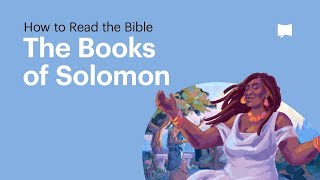
The Books of Solomon

The Gospel
Why Jesus Told Parables

New Testament Letters: Historical Context
New Testament Letters: Literary Context
How to Read Apocalyptic Literature